November 26, 2026
Mr. Godfrey Forbes
3 min read
Why Your Lawn Has Uneven Growth: Understanding Soil, Sunlight and Drainage Problems
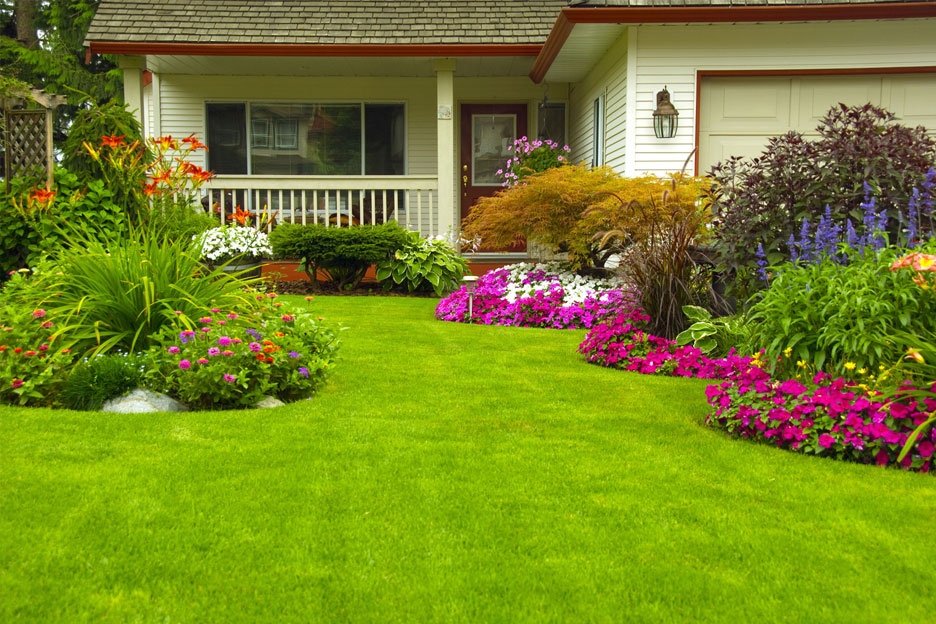
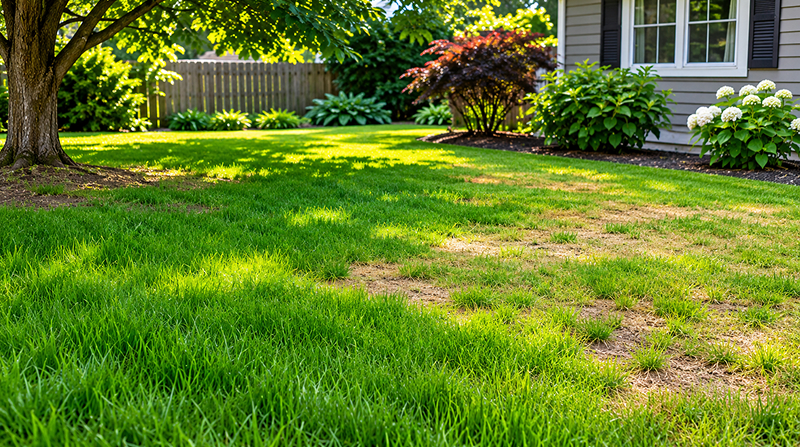
A thick, even layer of green grass can make all the difference to a property. Full, even green grass in a garden is more attractive and makes the landscaping around it look better, as well as providing a neat outdoor area. However, not every lawn grows evenly. Some parts may appear full and lush, while others may look patchy, yellow, or even bare, or look as if it stops growing. Uneven growth in a lawn is a common problem for many homeowners, especially when the same areas don't improve after repeated treatments of mowing and watering. That's because there are lots of different factors combined behind grass growth. Growing a lawn involves a lot of factors, from soil quality to sunlight to water to drainage to regular care. These factors can assist Hudson, NY, and Hudson Valley homeowners in identifying why parts of a lawn may not be working as they would like and what can be done to improve performance.
1. Soil Compaction Impairs Healthy Grass Growth
Another, less obvious cause of a lumpy lawn is soil compaction. This is when the particles of soil are pressed together so there are no little spaces for air and water to work their way down into the soil. Grass roots need space, water, and air to grow. Compacted soil can restrict root penetration and water penetration to the root zone. Compaction often occurs in areas where large machinery passes, where cars drive, where dogs follow the same paths, or where humans tend to walk. It can also arise from landscaping and construction.
You might notice:
- Grass That Looks Thinner In High-Traffic Areas.
- Soil That Feels Harder Than Normal.
- Water Collecting On The Surface Instead Of Soaking In.
- Bare Patches That Do Not Recover Easily.
If compaction is the main problem, lawn aeration may be helpful. It makes holes in the soil to supply air, water, and nutrients to the roots. But this is dependent upon the type of grass and soil conditions.
2. Too Much Shade Can Leave Certain Areas Looking Thin
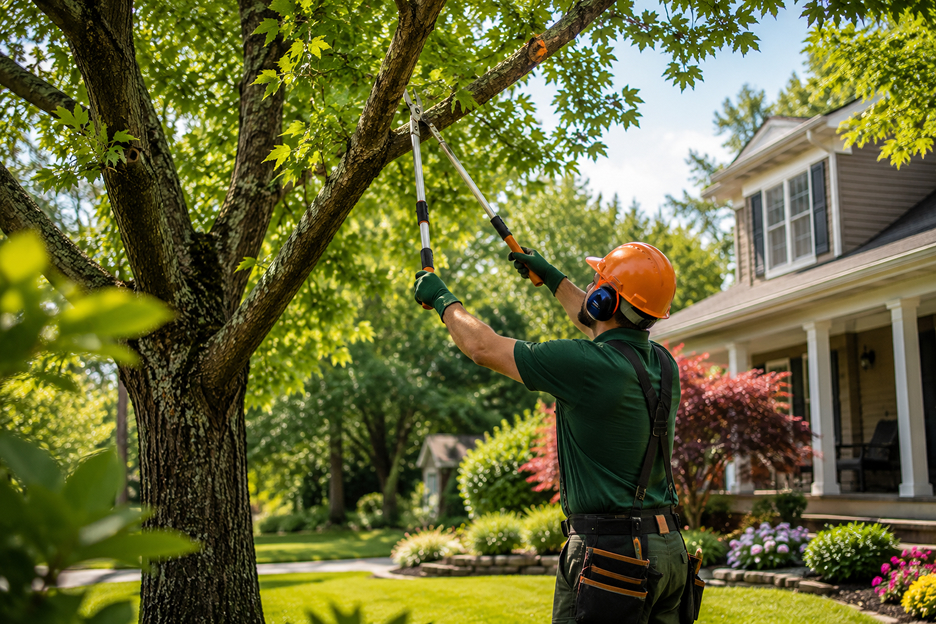
Grass needs sunlight to perform the process of photosynthesis, which is how plants produce energy to grow. Be aware that some areas of a lawn will eventually receive much less sunlight than others. It's common in areas near tall structures, fences, buildings, and older trees. A healthy-looking lawn in an open area may become sparse under the branches of a tree or on the shady side of a house. Here, grass may have a hard time competing with tree roots for water and nutrients. There are many remedies for this problem. If you are able to safely and properly prune the tree, you may be able to shorten some of the branches and let some more natural light onto the ground. You could also substitute it for shade-tolerant grass species. Standard turf is not always easy to grow without sunlight. Other ground covers or planting beds may be more sustainable options.
3. Poor Drainage Can Damage Grass Roots
A healthy lawn needs water, but too much water can be damaging. If watering or rain is allowed to sit for extended periods on the surface, the soil can become waterlogged. Excess moisture can even "drown" grass roots by depriving them of oxygen. This can weaken the lawn and encourage moss and some turf diseases over time.
Poor drainage may be responsible when you notice:
- Puddles that remain long after rainfall.
- Muddy areas that are difficult to walk across.
- Grass that becomes yellow or thin in low-lying sections.
- Moss appearing in persistently damp areas.
4. Irregular watering results in dry, patchy areas.
Uneven Patches of Lawn Watering Can Create Areas near built structures like trees, slopes, paved areas, buildings, etc. can dry at differing rates as well. Areas that receive enough moisture may cause the lawn to look patchy while other areas dry out. Under-watered grass will be more likely to lose its color and bounce; it will brown or develop bare patches. That said, over-watering may lead to waterlogged soil and worsen any problems with the roots. A good watering schedule must take into account the type of soil, weather, type, and drainage.
Semantic Keynotes & Named Entity Recognition (NER) Tags
Semantic Keynotes
-
Uneven Lawn Growth:
Lawn areas may develop different growth patterns, including lush grass, thin patches, yellow areas, and bare spots.
-
Soil Compaction:
Compressed soil limits the movement of air and water into the soil and can restrict healthy grass root development.
-
Sunlight and Shade Conditions:
Limited sunlight near trees, buildings, fences, and other structures can contribute to thin lawn growth.
-
Poor Lawn Drainage:
Waterlogged soil and standing water can deprive grass roots of oxygen and contribute to weakened grass.
-
Irregular Watering:
Uneven watering can cause dry, patchy areas, while excessive watering can contribute to waterlogged soil.
-
Lawn Aeration:
Aeration creates openings in the soil to help air, water, and nutrients reach grass roots.
NER Tags
-
Organization:
Hudson Valley Landscaping and Gardening
-
Locations:
Hudson, NY; Hudson Valley
-
Services and Solutions:
Lawn Aeration; Regular Lawn Care; Grass Maintenance
-
Environmental Factors:
Soil Quality; Soil Compaction; Sunlight; Shade; Water; Drainage; Moisture
-
Lawn Conditions:
Uneven Growth; Thin Grass; Yellow Grass; Bare Patches; Waterlogged Soil; Standing Water; Moss
-
Landscape Features:
Lawn; Grass; Soil; Grass Roots; Trees; Fences; Buildings; Slopes; Paved Areas